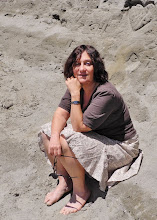
As I follow this news about disgruntled musicians, I'm struck by a sense of gratitude for what this past year has brought into my life. As my former colleagues engage in a battle of entitlement, believing themselves to be invincible and trying to demonstrate, as if clinging for dear life, that relations have warmed with their baton wielder, I reopen the gift I received from my seventeen-year-old daughter during the holidays. It is "Mom's Book of Happiness" by Sarah Lilian Talvi. I can assure you that if our house were burning down, and if I could only choose one item to rescue from the flames, it would be this book, for it is filled with photos of those I cherish, beloved memories, and messages of love, learning and wisdom. It is a book of joy, and as I turn the pages filled with images of those I have loved and lost, I hear my daughter's whisper: Live your life genuinely, Sarah writes, and all will unfold as planned.
 Though some would have believed that the cruel ostracism inflicted upon my family from the disgruntled ones and their cronies would have broken our family apart by now, the opposite is true. I glance back at 2009 and recognize that all our struggles have been valuable, like investments bringing dividends of personal satisfaction and accomplishment. We have built our own community and changed the course of our lives.
This morning, as I listened to a brilliant student from Garfield High School work through Edgar Meyer's Violin Concerto, I marveled how convincingly this young woman played. She has been my pupil for a number of years. When she began with me, she played like a tiny, but cute, mouse. When did my cautious student evolve into a self-assured artist? And where will her path in music lead her? She will enrich others wherever she goes, that's for certain.
Yesterday another student, who is all of twelve years old, handed me the first movement to his own composition, Sonata for Violin and Piano. We played through the work together. I was filled with wonder at his power of originality. True, he has been guided by an inspiring composition mentor, Janice Giteck, but no teacher, no matter how dedicated, can supply a student with talent.
Another gifted violin student has discovered the joy of participating in Young Virtuosi Chamber Orchestra as a violist, learning viola as I did, on the spot. Now he plays Bach solo works with equal beauty and technical mastery on both instruments. He will, as I have done during my previous incarnation, experience the thrill and intimacy of a chamber ensemble where each individual voice counts.
"Don't brag," warns my daughter Anna, even though I cannot believe she is only twenty-two, has attained a Masters Degree in Education, is married to a wonderful young man who shares her values, and leads a promising career. "But," I argue, "as a mother and teacher, I'm entitled."
Have I mentioned that my student Andrew Sumitani received a glowing review from the Seattle Weekly for his performance of the Bruch Violin Concerto with the Seattle Metropolitan Chamber Orchestra?
Solo instruments project gloriously, though, and in the Bruch soloist Andrew Sumitani's serenely elegant, showboating-free performance was beautifully balanced against the orchestra's pillowy richness.
And as I reflect on 2009, I feel a rush of anticipation for 2010, and for all the pages in my book of happiness.


 Like an addict, I need to walk around with a book in my hands. In the past few days the drug of choice has been Norman Lebrecht's